


Best Gaming Chairs & Bean Bags for Trading Card Collectors
Trading card collectors spend a great deal of time thinking about the cards in their collection.
They think about which cards to collect, how to protect them, where to store them and which favourites deserve to be displayed.
As a collection grows, however, the space surrounding those cards can become increasingly important as well.
A trading card collection may eventually share a room with:
- Display frames.
- Storage boxes.
- Binders.
- Graded cards.
- One Touch magnetic holders.
- Display cabinets.
- Shelving.
- Gaming consoles.
- A television.
- A computer setup.
- Figures and memorabilia.
- Lighting.
- A desk or pack-opening table.
- Comfortable seating.
That last part is easy to overlook.
A collector may spend hours designing a display wall while giving relatively little thought to the chair positioned directly in front of it.
Yet the chair, bean bag or lounge seat can determine how the room is actually used.
Collectors may spend time in their hobby space opening packs, sorting cards, building decks, reorganising binders, watching games, playing consoles, researching cards, photographing new purchases or simply sitting back and enjoying the collection.
The best seating for a trading card collector therefore depends on much more than whether something is officially marketed as a “gaming chair”.
A traditional high-backed gaming chair may be ideal for a desk setup.
A large bean bag may be more suitable for console gaming and casual pack openings.
A memory foam lounge-style chair may suit a dedicated collection room where comfort, gaming and display all share the same space.
Smaller bean bags may work particularly well in bedrooms or compact collector spaces, while larger lounge chairs can become a central feature in a dedicated gaming room.
This guide explores gaming chairs, bean bags and lounge-style seating specifically from the perspective of trading card collectors.
It covers different seating styles, room sizes, gaming setups, card-sorting areas, display walls, colours, layouts and the practical relationship between where you sit and how you display the collection around you.
Why Should Trading Card Collectors Think About Seating?
A trading card room is not necessarily a static display room.
For many collectors, it is one of the most actively used spaces in the home.
The collection itself may involve repeated activities throughout the week.
These can include:
- Opening booster packs.
- Opening booster boxes.
- Sorting new cards.
- Sleeving cards.
- Moving cards into top loaders.
- Moving premium cards into One Touch holders.
- Organising binders.
- Building decks.
- Checking collection inventories.
- Researching cards online.
- Comparing recent purchases.
- Preparing grading submissions.
- Inspecting grading returns.
- Photographing cards.
- Listing duplicates for sale.
- Trading with other collectors.
- Watching card openings.
- Watching livestreams.
- Playing video games.
- Watching sport.
- Rearranging shelves.
- Rotating cards in displays.
- Simply looking through the collection.
All of these activities involve spending time in the room.
A visually impressive collection space can therefore become considerably more enjoyable when it is also comfortable to use.
This does not mean every trading card collector needs to purchase an expensive gaming chair.
It means seating should be considered as part of the room rather than being treated as an afterthought.
A Collector Room Should Be Designed to Be Used
There can be a tendency to design hobby rooms primarily around how they appear in photographs.
A wall full of graded cards may look impressive from one particular angle.
A shelf containing sealed Pokémon products may look perfectly arranged from the doorway.
A gaming desk may appear symmetrical when photographed directly from the front.
However, the person who owns the room will spend considerably more time inside it than viewing photographs of it.
A practical collection room should therefore consider:
- Where the collector normally sits.
- Where cards are opened.
- Where cards are sorted.
- Which displays can be seen from the seating position.
- How easily storage can be reached.
- Whether there is enough room to move around.
- Where gaming equipment is positioned.
- Whether doors and cupboards remain accessible.
- Where drinks are placed.
- Where natural light enters the room.
- How the room is used when friends visit.
The most impressive collector room is not necessarily the room containing the greatest number of cards.
It may simply be the room that allows the collector to enjoy the hobby most easily.
What Is a Gaming Chair?
The phrase “gaming chair” is much broader than it first appears.
For many people, the term immediately refers to a high-backed chair positioned at a computer desk.
That is one type of gaming chair, but gaming can take place in many different positions and spaces.
A gaming setup may involve:
- A desktop computer.
- A laptop.
- A television and console.
- A handheld gaming device.
- A racing simulator.
- A tabletop gaming area.
- A bedroom television.
- A home theatre.
- A casual lounge area.
The seating that works best for one of these setups may be unsuitable for another.
A desk chair is useful because it places the user at a predictable height relative to a desk.
That advantage becomes much less important when the user is sitting several metres away from a television.
A gaming chair should therefore be considered according to how it will actually be used rather than according to one fixed visual definition.
What Types of Gaming Seating Can Collectors Consider?
There are several broad seating categories that may work in a gaming and trading card space.
Traditional Gaming Chairs
Traditional gaming chairs are generally designed around a desk-based seating position.
They may include:
- A high back.
- Armrests.
- Wheels.
- Height adjustment.
- A reclining mechanism.
- Head support.
- A relatively upright seating position.
Exact features vary significantly between products.
This style can work particularly well for collectors who use the same room for both card collecting and computer gaming.
Office-Style Chairs
Not every gaming setup requires a chair specifically marketed toward gamers.
Some collectors prefer conventional office seating where most activities take place at a desk.
This may be useful for:
- PC gaming.
- Working from home.
- Card research.
- Online selling.
- Collection cataloguing.
- Photo editing.
- Streaming.
Bean Bags
Bean bags create a much more relaxed seating position.
They can work particularly well in rooms where the collector does not need to remain positioned at a desk.
Possible uses include:
- Console gaming.
- Handheld gaming.
- Watching television.
- Watching sports.
- Looking through binders.
- Opening trading card products.
- Relaxing in a collection room.
Memory Foam Bean Bags and Lounge Chairs
Some bean bag and lounge-chair designs use pieces or layers of foam rather than relying entirely on traditional lightweight bead filling.
This can create a different seating experience and may result in a larger, heavier and more substantial piece of furniture.
Construction differs between products, so collectors should check the exact specifications of the chair being considered.
Oversized Lounge Chairs
Larger lounge-style chairs can become a major feature within a gaming or collector room.
They may be particularly suitable for:
- Dedicated gaming rooms.
- Large bedrooms.
- Home theatres.
- Console gaming.
- Collector lounges.
- Rooms with substantial open floor space.
Compact Bean Bags
Smaller bean bags can provide an alternative for rooms where floor space is limited.
These may suit:
- Bedrooms.
- Younger collectors.
- Secondary seating.
- Small gaming spaces.
- Rooms where the chair needs to be moved regularly.
Ottomans and Footrests
An ottoman can complement a larger chair or bean bag without becoming the primary seat.
Depending on the product and room layout, it may also provide additional casual seating when other collectors visit.
Traditional Gaming Chair vs Bean Bag
Neither option is universally better.
The useful comparison is what each seating type allows the collector to do.
Traditional Gaming Chair Advantages
- Works naturally with desks.
- Usually occupies a defined footprint.
- Can be moved around a hard floor relatively easily where wheels are fitted.
- Places the user at desk height.
- Suitable for PC gaming.
- Suitable for card research and computer-based collection management.
Traditional Gaming Chair Limitations
- May feel more like office furniture.
- Can be visually dominant in small rooms.
- May be unnecessary for console-only gaming.
- Does not create the same relaxed lounge-style space as softer seating.
Gaming Bean Bag Advantages
- Creates a more casual environment.
- Can work well for console gaming.
- Can work well for handheld gaming.
- Useful for watching television or sport.
- Can create a dedicated card-opening area away from a computer desk.
- Available in many shapes, sizes, fabrics and colours.
- Can visually soften a room containing many hard frames, cabinets and shelves.
Gaming Bean Bag Limitations
- Large models can require substantial floor space.
- They generally do not place the user at conventional desk height.
- Some styles can be heavier or more difficult to move than expected.
- The amount of structure varies significantly between designs.
- They may require occasional reshaping or adjustment depending on construction.
The most practical choice depends on the room.
Why Bean Bags Can Make Sense in a Trading Card Room
A bean bag may initially sound unrelated to trading card collecting.
However, the connection becomes much clearer when the collector room is treated as a hobby space rather than simply a storage location.
Trading Card Collecting Is Often a Relaxed Hobby
Many collecting activities do not require a formal desk position.
A collector looking through a binder does not necessarily need an office chair.
A collector opening several booster packs may prefer a low table and comfortable lounge seating.
A collector watching a livestream or sports match while sorting cards may spend several hours in the same area.
The seating can reflect that more relaxed use.
Collectors Often Also Play Video Games
Trading card franchises frequently overlap with gaming.
A Pokémon collector may also play Pokémon video games.
A sports card collector may also play sports games.
A Yu-Gi-Oh! collector may play games based on the franchise.
Other collectors simply enjoy gaming independently of the cards they collect.
This means one room may naturally become both a card room and a gaming room.
Bean Bags Can Create a Separate Zone
A collector who already has a desk can use a bean bag to create a second area in the room.
For example:
- Desk for PC gaming and work.
- Bean bag for console gaming.
- Small table for pack opening.
- Wall display for favourite cards.
- Shelves for sealed products and memorabilia.
This can prevent every activity from taking place at the same desk.
Soft Furniture Can Balance Hard Display Materials
Trading card rooms can contain many hard visual surfaces.
These may include:
- Aluminium frames.
- Wood frames.
- Acrylic display cases.
- Glass cabinets.
- Metal shelves.
- Desks.
- Storage units.
A large fabric chair or bean bag introduces a different texture into the room.
This can make the space feel less like a storage area and more like a room intended to be occupied.
Are Memory Foam Bean Bags Different From Traditional Bean Bags?
Traditional bean bags are commonly associated with loose lightweight filling that moves around the user.
Foam-filled products can behave differently.
Depending on construction, foam-filled seating can feel denser and more substantial.
The distinction matters because two products both described as “bean bags” may provide very different seating experiences.
Traditional Bean Filling
Traditional bean-style filling can create a seat that easily changes shape.
This may make the chair comparatively light and easy to reposition depending on its size.
Foam Filling
Foam-filled chairs may contain shredded foam, memory foam or other foam materials depending on the manufacturer.
These products may feel more similar to oversized lounge seating than the simple bean bags many people remember from childhood.
Check the Individual Product
The term “memory foam chair” does not guarantee one universal construction.
Collectors should check:
- Filling material.
- Chair dimensions.
- Approximate weight.
- Cover material.
- Whether the cover is removable.
- Care instructions.
- Whether additional filling is available.
- Whether replacement covers are available.
These details can matter considerably when the product will remain in a collector room for years.
DreamPod® Chairs as an Alternative Gaming Seat
DreamPod® chairs provide one example of the larger lounge-style seating that can be used in gaming and collector rooms.
The range includes different chair forms, sizes, fabrics, colours and related accessories.
Rather than trying to imitate the appearance of a conventional racing-style gaming chair, DreamPod® seating can create a softer and more relaxed part of the room.
This may suit collectors who primarily want somewhere to:
- Play console games.
- Use a handheld console.
- Watch television.
- Open card products.
- Look through binders.
- Sort recent purchases.
- Watch trading card content.
- Relax while surrounded by the collection.
A DreamPod® chair does not need to replace a conventional desk chair.
In larger rooms, both can serve different purposes.
A chair that looks compact in a product photograph can occupy considerably more floor space once placed in a real room. Always check the listed dimensions and measure the proposed seating area before purchasing, particularly when considering larger bean bags or lounge-style chairs.
What Should a Trading Card Collector Look for in a Gaming Chair?
The best chair is not necessarily the most expensive chair.
It should suit the room and the activities taking place inside it.
Available Floor Space
Start with the physical room.
Measure the proposed seating area before considering colour, fabric or appearance.
Allow enough space for:
- Doors to open.
- Drawers to open.
- Cabinet doors to open.
- Walking paths.
- Access to storage.
- Access to display cases.
- Movement around a desk.
Primary Gaming Platform
The gaming platform has a major influence on seating.
A desktop computer typically requires a chair positioned at a desk.
A console connected to a television allows much greater flexibility.
A handheld gaming device allows more flexibility again.
How Cards Are Used in the Room
Consider where card-related activities currently happen.
If most card sorting takes place at a desk, a desk chair remains important.
If packs are normally opened at a coffee table, lounge seating may be more useful.
How Frequently the Chair Needs to Move
Some rooms require seating to be moved regularly.
A bedroom may need open floor space during the day.
A multipurpose room may occasionally need additional seating removed.
A permanent collector room may allow the chair to remain in one position.
Room Aesthetic
The chair is often one of the largest individual objects in the room.
Its colour and material can therefore have a substantial effect on the overall appearance.
Viewing Position
Think about what the collector will actually see while sitting down.
This becomes particularly important when the room contains a trading card display wall.
Different Gaming Setups Need Different Seating
A useful way to choose seating is to begin with the type of gaming setup rather than the chair itself.
PC Gaming Setup
A PC gaming setup usually centres around a desk.
The chair needs to place the user at a practical position relative to:
- Monitor.
- Keyboard.
- Mouse.
- Desk.
- Microphone.
- Other controls.
A conventional desk or gaming chair is therefore usually the primary seat.
A bean bag can still be useful as secondary seating elsewhere in the room.
Console Gaming Setup
Console gaming provides considerably more freedom.
The player may sit:
- Directly in front of a television.
- Across the room.
- At an angle.
- Alongside other players.
This makes larger bean bags and lounge chairs particularly easy to integrate.
Handheld Gaming Setup
Handheld gaming does not require alignment with a desk or television.
The emphasis can therefore shift almost entirely toward comfortable seating and available room space.
Mixed Gaming Setup
Some collector rooms contain several gaming systems.
For example:
- PC at one wall.
- Television and console at another.
- Handheld gaming anywhere in the room.
In this case, having both structured desk seating and relaxed lounge seating can be useful.
Creating a Trading Card Pack-Opening Area
Pack opening is one of the activities that can connect a bean bag or gaming chair naturally with the trading card hobby.
A dedicated pack-opening corner does not need to be complicated.
It may contain:
- A comfortable chair.
- A stable table.
- Card sleeves.
- Top loaders.
- One Touch magnetic holders.
- A binder.
- A rubbish container for wrappers.
- Temporary card-sorting space.
Use a Stable Surface
Cards should ideally be opened and sorted on a clean, stable surface rather than directly on soft seating.
This makes it easier to:
- Keep cards organised.
- Separate valuable pulls.
- Apply sleeves.
- Check card numbers.
- Avoid losing cards inside furniture.
Keep Protection Nearby
If a collector regularly opens products, card protection can remain within easy reach.
This may include:
- Penny sleeves.
- Top loaders.
- Card savers.
- One Touch magnetic holders.
Keep Drinks Separate
A comfortable seating area may naturally become somewhere drinks and snacks are used.
Where practical, keep these separate from the card-opening surface.
One accidental spill can affect several cards at once.
Creating a Card-Sorting Area
Collectors with larger collections frequently spend more time sorting cards than opening them.
Sorting may involve:
- Set number.
- Character.
- Player.
- Team.
- Rarity.
- Colour.
- Condition.
- Value.
- Duplicates.
- Cards intended for sale.
- Cards intended for grading.
A sorting area should provide enough flat space to create temporary groups.
A large desk remains the most practical solution for extensive sorting.
However, smaller sessions can take place at a low table beside lounge seating.
Creating a Binder-Viewing Area
Binders are designed to be viewed.
A collector may regularly take several binders from storage and spend time looking through them.
This activity can suit a comfortable lounge area particularly well.
A nearby table or shelf allows the collector to place:
- Additional binders.
- Loose cards.
- Recent purchases.
- A phone or tablet.
- Collection checklists.
This can turn an unused corner of the room into a practical part of the hobby.
Creating a Grading and Card-Inspection Area
Cards being inspected for grading generally benefit from a more structured workspace.
The collector may need:
- Bright appropriate lighting.
- A clean surface.
- Card sleeves.
- Card savers.
- Magnification if desired.
- Packaging materials.
This is another example where one room can benefit from more than one seating style.
A desk chair can serve the inspection station while a bean bag or lounge chair serves the entertainment and relaxation area.
Creating a Collector Room With Different Zones
Larger hobby rooms do not need to function as one undivided space.
Creating different zones can make the room easier to use.
Gaming Zone
This may contain:
- Television or monitors.
- Gaming console or computer.
- Controllers.
- Headphones.
- Gaming chair or lounge seating.
Collection Display Zone
This may contain:
- Framed trading cards.
- Graded cards.
- One Touch displays.
- Shelves.
- Figures.
- Memorabilia.
- Display cases.
Storage Zone
This may contain:
- Binders.
- Card boxes.
- Slab storage.
- Sealed products.
- Duplicate cards.
Pack-Opening and Sorting Zone
This can provide a clean table away from food, drinks and general clutter.
Lounge Zone
A bean bag, DreamPod® chair or other lounge seating can create somewhere to sit when the collector is not actively using the desk.
These zones do not need separate rooms.
Even a modest bedroom can have a small desk on one side and a comfortable chair facing a display wall on the other.
Think About the View From the Chair
This is one of the most useful principles when combining gaming seating with trading card displays.
Collectors often position displays according to whichever wall appears most visually impressive when entering the room.
However, the collector may spend most of their time facing a completely different direction.
Before installing displays, sit in the proposed gaming chair or bean bag and look around the room.
Ask:
- Which wall is naturally in view?
- Can the collection be seen while gaming?
- Can the collection be seen while opening packs?
- Will displays be blocked by monitors?
- Will shelves sit behind the collector rather than in front?
- Is sunlight entering the proposed display area?
- Will reflections make the cards difficult to see?
The best display wall may be the wall the collector actually looks at most often.
A Trading Card Display Does Not Need to Contain the Entire Collection
One common challenge in collection-room design is trying to make every card visible.
Large collections can contain hundreds or thousands of cards.
Attempting to display all of them can quickly overwhelm the available wall and floor space.
A more practical approach is often to separate storage from display.
The wider collection can remain organised in:
- Binders.
- Storage boxes.
- Slab boxes.
- Cabinets.
- Drawers.
- Other appropriate storage.
The display can then contain selected favourites.
These might include:
- Highest-priority cards.
- Favourite artwork.
- Favourite graded cards.
- One complete visual group.
- A character collection.
- A player collection.
- A small set.
- Cards matching the room's colour palette.
This gives the collector something worthwhile to look at from the gaming chair without overcrowding the entire room.
Using CardVault® Displays in a Gaming and Collector Room
Once the seating position and room layout are established, the display can be planned around the cards the collector most wants to see.
At The Card Collective®, CardVault® Displays represents the broader trading card display range.
Within that system, different display formats can suit different types of protected cards.
The purpose is not to suggest that every card needs to be placed on a wall.
Instead, the display can be used for the cards that have the strongest visual, personal or collecting significance.
A collector might choose:
- Their favourite graded cards.
- One complete character group.
- A player timeline.
- One evolution line.
- Several matching artworks.
- A collection of autographs.
- A set of premium One Touch cards.
- Cards that match the room's overall colour palette.
The rest of the collection can remain safely organised elsewhere.
SlabVault® Graded Card Displays
SlabVault® refers to the graded-card display side of the CardVault® system.
Graded cards already have a consistent external format, which makes them particularly suited to structured wall displays.
Depending on the particular display product, frames may be configured around popular graded holders such as:
- PSA.
- CGC.
- BGS.
Collectors should always confirm compatibility with the specific frame because slab dimensions vary between grading companies.
Why Graded Cards Work Well in Gaming Rooms
Graded cards can provide a very clean visual structure.
The card, label and slab combine into one repeatable unit.
When several are placed together, the result can become almost architectural.
This works particularly well in rooms that already contain:
- Monitors.
- Televisions.
- Gaming consoles.
- LED lighting.
- Metal furniture.
- Display shelving.
The rigid slab format can visually complement the organised structure of a gaming setup.
Display a Graded Character Collection
A graded character collection can become a natural focal point.
Examples include:
- Charizard.
- Pikachu.
- Gengar.
- Mew.
- Mewtwo.
- Umbreon.
- Rayquaza.
- Blue-Eyes White Dragon.
- Dark Magician.
- Monkey D. Luffy.
The cards do not need to come from the same set.
The character itself can provide the visual connection.
Display a Graded Sports Player Timeline
Sports card collectors can use graded cards to create a timeline.
A display might include:
- Rookie card.
- Early-career card.
- Championship card.
- Milestone card.
- Autograph.
- Later-career card.
This can work particularly well in a gaming room that also functions as a sports-watching space.
Display Matching Grades
Some collectors prefer to create a display using cards with the same numerical grade.
Others care more about the cards themselves and mix grades freely.
Neither approach is required.
The display should reflect the collection rather than an assumed standard.
MagVault® One Touch Trading Card Displays
MagVault® refers to the One Touch magnetic-holder display side of the system.
One Touch holders provide a rigid format for selected raw cards without requiring professional grading.
This can be useful for collectors who want a consistent display while retaining control over which cards remain raw.
Why One Touch Displays Work Well
One Touch magnetic holders can create consistent spacing and dimensions across several cards.
This can make them useful for:
- Favourite raw cards.
- Premium artwork.
- Autographed cards.
- Sports parallels.
- Pokémon chase cards.
- Magic cards.
- Yu-Gi-Oh! rarities.
- One Piece alternate art cards.
Card thickness should always be matched to the appropriate holder.
One Touch Displays for Collectors Who Rotate Cards
Some collectors change their display regularly.
That might happen when:
- A new favourite card is purchased.
- A new set releases.
- A sports season changes.
- A grading submission is sent away.
- A particular character becomes the current collecting focus.
A One Touch-based display can suit this approach because cards can be moved into compatible holders and rotated according to the collector's preferences.
Aluminium Trading Card Frames in a Gaming Room
Material choice also affects how a trading card display fits into the wider room.
Aluminium frames can work particularly well in modern gaming spaces because the material already appears throughout many gaming setups.
Aluminium can visually connect with:
- Monitor stands.
- Computer cases.
- Gaming desks.
- Metal shelving.
- Console accessories.
- LED lighting.
The clean frame profile can therefore sit naturally beside modern electronics without making the room feel like a traditional picture gallery.
Black Aluminium Frames
Black is one of the easiest finishes to integrate into a gaming setup.
It can work with:
- Black desks.
- Dark monitors.
- Charcoal chairs.
- LED lighting.
- Colourful trading card artwork.
The darker frame can allow the cards themselves to provide most of the visual colour.
Silver Aluminium Frames
Silver can suit lighter or more technical-looking spaces.
It may work particularly well with:
- White desks.
- Silver computer hardware.
- Light walls.
- Minimal gaming setups.
Gold Aluminium Frames
Gold frames can create a more decorative or premium visual effect.
They may work particularly well around:
- Warm lighting.
- Beige seating.
- Wood furniture.
- Cards with gold foil or warm artwork.
Copper Aluminium Frames
Copper can create a warmer alternative to black and silver.
It may suit rooms using:
- Brown furniture.
- Warm fabrics.
- Earth tones.
- Orange or red lighting.
The best frame colour does not need to match the chair exactly.
The two only need to work within the same overall room.
Can a Gaming Chair Face a Trading Card Display Wall?
Yes.
In many collector rooms, this may be one of the most satisfying layouts.
The main seating position faces:
- A television.
- A card display.
- Both.
This means the collection remains visible during the normal use of the room.
Display Beside the Television
Frames can be placed beside a television rather than directly above it.
This can create symmetry without placing cards too close to heat-producing electronics.
Display Above a Low Cabinet
A low media cabinet or storage unit can sit beneath a card wall.
The cabinet can hold:
- Gaming consoles.
- Controllers.
- Card storage.
- Sealed products.
- Small figures.
Display on an Adjacent Wall
Not every card display needs to sit directly in front of the chair.
An adjacent wall can remain visible from the seating position while avoiding reflections from the television.
How High Should Trading Card Displays Be in a Gaming Room?
There is no universal installation height.
However, viewing position matters.
A display installed for someone standing in the room may feel unnecessarily high when viewed from a low gaming bean bag.
Before hanging the frame, sit in the normal gaming position and assess the viewing angle.
Consider:
- Chair height.
- Distance from the wall.
- Frame dimensions.
- Television height.
- Other artwork.
- Furniture below the display.
The centre of the display does not need to follow a rigid rule if another height works better for the room.
Use Seating to Decide Which Cards Deserve the Best View
Once the collector knows which display wall will be seen most often, card selection becomes easier.
The most visible wall can be reserved for the cards with the greatest importance.
These might be:
- Favourite cards regardless of value.
- Most valuable cards.
- Best-looking artworks.
- Cards connected to childhood memories.
- Favourite players.
- Favourite Pokémon.
- Favourite graded cards.
A secondary wall can contain a broader display.
This creates hierarchy within the collection.
Collector Room Layout Idea: The Pokémon Gaming Room
Pokémon is particularly well suited to combined gaming and collection rooms because the franchise extends far beyond trading cards.
A Pokémon gaming room may include:
- Pokémon trading cards.
- Pokémon video games.
- Plush toys.
- Figures.
- Sealed products.
- Artwork.
- Game consoles.
- Lighting.
- Gaming seating.
Choose One Pokémon as the Room Theme
A collector can build the room around one favourite Pokémon.
Examples include:
- Charizard.
- Gengar.
- Pikachu.
- Umbreon.
- Mew.
- Rayquaza.
The room does not need to become fully themed.
A few carefully selected colours and cards may be enough.
Use the Cards as the Main Artwork
Instead of adding unrelated wall art, the trading cards themselves can become the main wall feature.
Graded cards can be organised through SlabVault® displays, while selected raw cards in compatible One Touch holders can be displayed through MagVault® frames.
Add Comfortable Gaming Seating
A DreamPod® chair or bean bag can create a comfortable place to play Pokémon games, open packs or view the collection.
Collector Room Layout Idea: The Sports Card Gaming Room
Sports collectors often use the same room for both cards and watching live sport.
This creates a natural connection between seating, television placement and card displays.
Display One Team
A team-focused wall can include:
- Rookie cards.
- Star players.
- Hall of Fame players.
- Championship cards.
- Autographs.
- Memorabilia cards.
Display One Player
A smaller room may focus on one player.
The display can follow their career across:
- Rookie season.
- Early career.
- Peak seasons.
- Championships.
- Career milestones.
Position the Display Near the Television
This can allow the collector to see the cards while watching the athlete or team being represented.
Add Lounge Seating for Watching Games
For a room used primarily for television viewing, relaxed bean bags or lounge chairs may make more sense than desk-focused gaming chairs.
Collector Room Layout Idea: The Magic: The Gathering Room
Magic: The Gathering collections can be visually diverse.
They may focus on:
- Artists.
- Colours.
- Planes.
- Creature types.
- Commander cards.
- Vintage cards.
- Full-art lands.
- Secret Lair releases.
Build Around Artwork
MTG cards can function particularly well as miniature artwork.
A collector might create a display around one artist or colour palette.
Use Warm Lighting
Many Magic collections can suit warmer room lighting and natural furniture tones.
Any display lighting should still be planned so cards are not exposed to damaging environmental conditions.
Create a Tabletop Area
Collectors who also play Magic may need a proper table.
In that situation, relaxed lounge seating can remain separate from the actual gameplay seating.
Collector Room Layout Idea: The Yu-Gi-Oh! Room
Yu-Gi-Oh! offers strong character and monster themes that can translate easily into room design.
Possible display themes include:
- Blue-Eyes White Dragon.
- Dark Magician.
- Dark Magician Girl.
- Exodia.
- Egyptian God Cards.
- Elemental HERO.
- Cyber Dragon.
Create a Nostalgia Wall
A collector who grew up with the original anime may focus on cards connected to that era.
This can combine:
- Original monster cards.
- Premium modern reprints.
- Graded cards.
- Figures.
- Anime memorabilia.
Use Stronger Colours
Yu-Gi-Oh! rooms can work well with deeper colours, darker frames and stronger accent lighting.
The cards can remain the primary feature rather than attempting to recreate an entire anime set.
Collector Room Layout Idea: The One Piece Card Room
One Piece collectors can organise a room around:
- One character.
- One crew.
- Alternate-art cards.
- Leader cards.
- Manga-themed displays.
Straw Hat Crew Display
One display could contain favourite cards featuring:
- Luffy.
- Zoro.
- Nami.
- Sanji.
- Usopp.
- Chopper.
- Robin.
- Franky.
- Brook.
A collection like this is particularly suited to a multi-card visual arrangement.
Use the Room for Anime and Gaming
The same room can also be used to watch anime, play games and display figures or other memorabilia.
Relaxed seating therefore fits naturally into the wider use of the space.
Collector Room Layout Idea: The Mixed Trading Card Room
Not every collector focuses on one franchise.
A single room might contain:
- Pokémon.
- Sports cards.
- Magic: The Gathering.
- Yu-Gi-Oh!
- One Piece.
- Disney Lorcana.
- Dragon Ball.
- Other collectibles.
In this case, room organisation becomes particularly important.
Separate the Displays by Category
Different walls or sections can represent different collections.
Use Consistent Frames
Even when the cards are unrelated, consistent frame materials and colours can connect the overall room.
Keep the Seating Neutral
Black, grey, cream or other neutral seating can allow the collection itself to provide the visual variety.
Gaming Bean Bags for Small Collector Rooms
Small rooms require different priorities.
Floor space becomes more valuable, so every large item needs a clear reason to be there.
Measure Before Buying
Use the actual listed dimensions of the chair rather than estimating from photographs.
A bean bag may spread beyond its apparent footprint depending on its construction.
Use the Walls
Wall-mounted displays can be particularly useful in smaller spaces because they use vertical rather than floor space.
Keep Storage Under Control
A small room can quickly become crowded when it contains:
- Card boxes.
- Binders.
- Sealed products.
- Figures.
- Furniture.
Closed storage can help maintain a cleaner appearance.
Choose One Main Display
One strong display wall can work better than attempting to cover every available surface.
Gaming Bean Bags for Large Collector Rooms
Larger rooms allow seating to become part of the architecture of the space.
A larger chair or bean bag can define a specific lounge zone.
Use More Than One Seat
Collectors who regularly invite friends into the room may benefit from multiple seats.
This can make the room useful for:
- Trading.
- Pack openings.
- Watching sport.
- Console gaming.
- Watching card breaks.
Create Separate Display Walls
A large room may contain different display areas for:
- Graded cards.
- One Touch cards.
- Sealed products.
- Figures.
- Sports memorabilia.
Create a Central Lounge Area
Lounge seating can be positioned so several display areas remain visible from the centre of the room.
Choosing a Bean Bag Colour for a Gaming Room
The chair or bean bag may be one of the largest blocks of colour in the room.
This makes colour choice worth considering.
Black
Black is extremely versatile.
It can fit:
- Dark gaming setups.
- Black frame collections.
- RGB lighting.
- Modern rooms.
Charcoal and Grey
Grey provides a softer neutral.
It can work particularly well where the cards themselves contain many different colours.
Cream and Beige
Lighter warm colours can create a more relaxed room.
They may suit:
- Wood furniture.
- Gold frames.
- Warm lighting.
- Natural interior styles.
Blue
Blue can work well in gaming rooms and may also connect with particular collection themes.
Examples could include:
- Water-type Pokémon.
- Blue sports teams.
- Blue-Eyes collections.
- Blue MTG collections.
Red
Red can create a stronger visual statement.
It may work with:
- Fire-type Pokémon.
- Sports teams.
- Red gaming lighting.
- Warm frame finishes.
Green
Green can suit:
- Grass-type Pokémon collections.
- Green MTG displays.
- Natural interior styles.
- Earth-tone rooms.
Bright Colours
A brightly coloured bean bag can become one of the main visual features of the room.
This works best when the rest of the room is relatively controlled.
Should Your Gaming Chair Match Your Trading Card Frames?
No.
Matching everything exactly can sometimes make a room feel overly coordinated.
A better approach may be to choose colours that work together.
For example:
- Black frame with charcoal chair.
- Gold frame with beige chair.
- Copper frame with rust or brown chair.
- Silver frame with grey chair.
Another approach is deliberately creating contrast.
A black frame can surround extremely colourful Pokémon cards while a bright chair picks up one of the colours from the artwork.
Choosing Fabric and Texture
Colour is only one part of how a chair looks.
Texture can be equally important.
Bean bags and lounge chairs may use materials such as:
- Plush fabrics.
- Boucle-style fabrics.
- Cord textures.
- Velvet-like materials.
- Smoother woven fabrics.
Exact materials vary by product.
Soft Plush Textures
These can create a relaxed and highly casual room.
They may suit bedrooms, movie rooms and collector lounges.
Structured Textures
Cord or boucle-style surfaces can make the chair appear more like deliberate furniture rather than a traditional casual bean bag.
Smoother Fabrics
Smoother materials may suit more minimal or modern gaming setups.
DreamPod® Chairs and Different Collector-Room Styles
The DreamPod® range includes several different visual directions, allowing the seating to be matched to the room rather than forcing every collector into the same style.
Dark Gaming Room
A darker DreamPod® or bean bag can blend into:
- Black desks.
- Dark walls.
- Black frames.
- LED lighting.
Light Minimal Collector Room
A lighter chair can work with:
- White walls.
- Silver frames.
- Light timber.
- Minimal shelving.
Warm Collector Lounge
Warm fabrics can pair with:
- Gold frames.
- Copper frames.
- Wood furniture.
- Warm-white lighting.
Colour-Focused Gaming Room
A brighter DreamPod® can become the deliberate accent piece within a darker room.
Should the Chair Match the Trading Card Collection?
It can, but it does not need to.
A collector might deliberately choose seating that relates to:
- A favourite Pokémon.
- A favourite sports team.
- A favourite MTG colour.
- A gaming console.
- The dominant artwork in the display.
However, a neutral chair may be more practical if the collection changes frequently.
Cards are much easier to rotate than furniture.
Changing the Display Without Changing the Room
One advantage of keeping the room itself relatively neutral is that the card display can change over time.
A collector might display:
- Pokémon one month.
- Sports cards during a major season.
- Recent grading returns.
- One new set.
- A favourite character.
The seating and furniture can remain unchanged.
This gives the room a long-term structure while allowing the collection to evolve.
Rotating Trading Cards Around the Gaming Setup
A rotating display can keep a collector room interesting without requiring additional wall space.
Cards may be rotated according to:
- New purchases.
- New grading returns.
- New releases.
- Sports seasons.
- Favourite characters.
- Current games being played.
- Anniversaries.
- New room colours or lighting.
A collector playing a new Pokémon game might temporarily display cards featuring the same Pokémon.
A sports collector might change the display during playoffs or a championship season.
The room can therefore remain connected to the collector's current interests.
Can Gaming Room Lighting Damage Trading Cards?
Lighting is an important consideration in any room containing trading cards.
The issue is not simply whether the room is bright or dark.
The type, intensity and duration of exposure all matter.
Direct Sunlight
Prolonged direct sunlight should be avoided.
Cards, printed labels, matboard and other display materials can be affected by extended exposure.
At The Card Collective®, standard acrylic glazing provides basic UV protection unless otherwise specified, but displays should still be kept away from prolonged direct sunlight.
Room Lighting
Normal interior lighting is generally part of ordinary room use.
However, extremely intense lights placed very close to a display should be considered carefully.
LED Accent Lighting
LED strips are commonly used in gaming rooms.
They can create an attractive background around shelves and displays.
The lighting should be positioned so it does not create excessive glare or make the cards difficult to view.
Check Reflections From the Gaming Chair
Display fronts can reflect:
- Windows.
- Televisions.
- LED strips.
- Ceiling lights.
- Computer monitors.
The effect may only become obvious after the collector sits in the normal viewing position.
Before permanently installing a display, consider temporarily holding or positioning it in the proposed location and checking the reflections from the chair.
Keep Trading Cards Away From Drinks and Snacks
A comfortable gaming room naturally becomes somewhere people eat and drink.
That creates an obvious risk around cards.
Use a Separate Side Table
One table can be dedicated to drinks while another surface is used for cards.
Do Not Place Drinks Above Card Storage
A shelf directly above binders or storage boxes can create unnecessary risk.
Clear the Pack-Opening Area First
Before opening cards, remove:
- Drinks.
- Food.
- Used wrappers.
- Unrelated clutter.
A clean area makes card organisation easier as well.
Do You Need a Dedicated Collector Room?
No.
Many collectors use a shared space.
A trading card collection can exist within:
- A bedroom.
- A home office.
- A living room.
- A media room.
- A spare room.
- A games room.
- A study.
The same design principles still apply.
Think about:
- Where you sit.
- Where you store the cards.
- Where you display favourites.
- Where you open products.
- How much space the furniture occupies.
Gaming Chair Ideas for a Bedroom Card Collection
Bedrooms are one of the most common places for smaller collections and gaming setups.
They also have some of the strongest space limitations.
Use a Compact Chair
A smaller bean bag may be easier to integrate without blocking wardrobes or walkways.
Use Wall Space
Trading card frames can place selected cards on the wall without consuming floor area.
Keep Bulk Cards in Closed Storage
Bulk boxes can quickly make a bedroom look cluttered.
Under-bed storage, cupboards or shelving may be more practical depending on the room.
Combine the Gaming and Collection Wall
A television or gaming monitor can share a wall with card displays where the layout allows.
Gaming Chair Ideas for a Home Office Collection
A home office usually needs to remain functional for work.
That makes a permanent oversized bean bag more difficult in some spaces.
However, a secondary lounge chair can work if the room has a spare corner.
Keep the Desk Chair Functional
The main office chair should still suit desk use.
Add a Separate Collector Corner
A smaller lounge area can contain:
- Bean bag.
- Small side table.
- Binder storage.
- Trading card display.
This separates working from relaxing without requiring another room.
Gaming Chair Ideas for a Dedicated Games Room
A games room provides far greater freedom.
It may include:
- Large television.
- Several consoles.
- Arcade equipment.
- PC gaming.
- Board games.
- Trading cards.
- Memorabilia.
- Multiple seating positions.
Bean bags can work particularly well as secondary seating because several can be placed around the television without requiring identical chairs.
Gaming Chair Ideas for a Collector Lounge
Some collectors may eventually want the room to feel less like a gaming setup and more like a personal lounge.
This can be achieved with:
- Larger soft seating.
- Warm lighting.
- Display frames.
- Cabinets.
- Low tables.
- Artwork.
- Closed storage.
In this environment, a memory foam chair or DreamPod® can look more natural than a racing-style gaming chair.
Planning the Room Before Buying the Chair
Large seating should ideally be planned before purchase.
Start with a basic room sketch.
Mark:
- Doors.
- Windows.
- Desk.
- Television.
- Storage.
- Display wall.
- Walking paths.
- Proposed chair position.
Use Floor Measurements
Measure the chair footprint and compare it with the room.
Use Tape to Mark the Area
Painter's tape or another removable marker can help visualise the approximate footprint on the floor.
Check Doorways
Also consider how the product will physically enter the room.
Large furniture may need to move through:
- Doorways.
- Hallways.
- Staircases.
- Elevators.
Do Not Judge Chair Size From Product Photos Alone
Product photography is useful for understanding shape and colour.
It can be less reliable for understanding scale.
Camera angle, room size and the height of the person shown can all affect perceived dimensions.
Always check:
- Width.
- Depth.
- Height.
- Approximate footprint.
A chair that appears modest online may dominate a small bedroom.
Should You Buy a Small or Large Gaming Bean Bag?
The correct choice depends on the room rather than the assumption that bigger is always better.
Choose Smaller Seating When
- Floor space is limited.
- The room is also a bedroom.
- The chair needs to move frequently.
- There is already a desk chair.
- The bean bag is secondary seating.
Choose Larger Seating When
- The room is dedicated to gaming or collecting.
- Console gaming is the primary use.
- There is substantial open floor space.
- The chair is intended to be a permanent feature.
- A lounge-style setup is preferred.
Can More Than One Bean Bag Work in a Gaming Room?
Yes, particularly in a social gaming space.
Multiple seats can be useful when collectors:
- Open packs together.
- Trade cards.
- Watch sport.
- Play multiplayer games.
- Watch movies.
- Discuss collections.
The room should still retain clear walking paths and access to storage.
Bean Bags for Kids' Trading Card Rooms
Younger collectors may particularly enjoy softer and more casual seating.
However, the room should still be organised around easy card storage.
Keep Storage Simple
Use:
- Binders.
- Clearly labelled boxes.
- Accessible shelves.
Keep Valuable Cards Separate
Higher-value cards can be stored in suitable rigid protection rather than mixed with ordinary bulk cards.
Use Smaller Displays
A small wall display can provide a clear place for favourite cards without requiring a large collection.
Bean Bags for Adult Trading Card Collectors
Bean bags are not limited to children's rooms.
Many larger modern designs are intended to function more like casual lounge furniture.
Adult collectors may use them in:
- Dedicated card rooms.
- Gaming rooms.
- Home theatres.
- Sports rooms.
- Large bedrooms.
The important factor is checking the actual dimensions and product specifications rather than assuming every bean bag is the same.
Can Gaming Seating Improve the Way a Collection Is Displayed?
Indirectly, yes.
Once a permanent seating position exists, the collector has a much clearer idea of which walls matter most.
This can help determine:
- Where the main display belongs.
- How high the frame should be installed.
- Which cards should receive the best position.
- Where lighting should be placed.
- Which walls can remain dedicated to storage.
The seating therefore becomes part of the room-planning process rather than simply another object added at the end.
Before installing a large trading card display, spend several minutes sitting in the position where the room will normally be used. The best display wall is often the wall that remains naturally visible from that position, provided environmental conditions such as direct sunlight and reflections are also suitable.
Gaming Chair vs Bean Bag for Console Gaming
Console gaming is one of the situations where bean bags and lounge-style chairs make the most sense.
The player does not need to remain aligned with a desk.
This creates far more freedom in how the room can be arranged.
Why Bean Bags Work Well for Console Gaming
Bean bags can be positioned according to:
- Television size.
- Viewing distance.
- Available floor space.
- Number of players.
- Location of card displays.
- Position of shelves and storage.
This can make them particularly useful in mixed gaming and collector spaces.
Why a Traditional Gaming Chair May Still Work
Some collectors prefer a more upright seating position even when using a console.
A conventional gaming chair may therefore remain suitable where:
- The television is relatively high.
- The chair needs to move frequently.
- The room also contains a desk.
- The collector prefers structured seating.
Which Is Better?
For console gaming alone, a bean bag or lounge-style chair can provide more freedom.
For mixed console and desk use, a conventional gaming chair may be more versatile.
Gaming Chair vs Bean Bag for PC Gaming
PC gaming creates a very different set of requirements.
The user normally needs to remain close to:
- Keyboard.
- Mouse.
- Monitor.
- Desk.
This generally makes a conventional desk or gaming chair the more practical primary choice.
Where a Bean Bag Still Fits
A bean bag can still be useful elsewhere in the same room.
It may become:
- Secondary seating.
- A place to use a handheld console.
- A card-sorting area.
- A pack-opening area.
- A space for another person to sit.
This can create a more complete hobby room without replacing the main desk chair.
Gaming Chair vs Bean Bag for Pack Opening
Pack opening is one of the areas where softer lounge seating can work particularly well.
The collector does not need to sit at a computer.
The most important requirement is a clean and stable surface nearby.
Bean Bag Setup
A simple pack-opening setup might include:
- Bean bag or lounge chair.
- Low table.
- Card sleeves.
- Top loaders.
- One Touch holders.
- Rubbish container.
- Binder or storage box.
Traditional Gaming Chair Setup
A desk chair may still work well when packs are opened at the main computer desk.
This can be useful for collectors who simultaneously:
- Stream pack openings.
- Record videos.
- Check card values.
- Catalogue pulls.
The best option therefore depends on whether pack opening is casual or computer-focused.
Gaming Chair vs Bean Bag for Looking Through Binders
Binder viewing is a more relaxed activity.
Collectors may spend significant time slowly moving through pages, comparing artwork and deciding which cards should be upgraded or displayed.
Bean Bags and Lounge Chairs
These can work particularly well when the collector wants to sit comfortably with a binder nearby.
A side table can hold:
- Additional binders.
- Card lists.
- Recent purchases.
- A phone or tablet.
Desk Chairs
Desk chairs may be more practical where the collector frequently records information or uses a computer while browsing the collection.
Gaming Chair vs Bean Bag for Sports Watching
Sports card collectors often use the same room for watching live sport.
This makes lounge seating particularly relevant.
A bean bag or DreamPod® chair can be positioned so that:
- The television remains clearly visible.
- Favourite sports cards remain visible.
- Memorabilia can sit around the television.
- Friends can join for games.
This can turn the collector room into a combined sports and card space.
Gaming Chair vs Bean Bag for Trading With Friends
Trading is a social activity.
A room used for trades may benefit from several seating positions rather than one large desk chair.
Possible layouts include:
- Two bean bags around a low table.
- One large lounge chair and several smaller seats.
- A desk chair plus secondary lounge seating.
- Several compact bean bags around a central sorting surface.
The table should remain large enough for cards to be compared without stacking them unnecessarily.
Memory Foam vs Traditional Bean Filling for Gaming Rooms
Not all bean bags feel the same.
The filling can have a major effect on:
- Weight.
- Shape.
- Movement.
- Firmness.
- How often the chair needs adjustment.
Traditional Bean Filling
Traditional lightweight bead filling can create a chair that changes shape easily.
This may suit collectors who want seating that can be repositioned frequently.
Foam Filling
Foam-filled designs can create a denser and more substantial chair.
Some collectors may prefer this in a permanent lounge or collector-room setup.
Which Should You Choose?
Consider:
- How often the chair will move.
- How large the room is.
- Whether the chair will be permanent.
- Preferred seating feel.
- Storage and access requirements.
Always check the specific construction of the product rather than assuming every bean bag uses the same filling.
Do Gaming Bean Bags Need Replacement Covers?
Replacement covers can be useful where they are available.
A cover may need replacement because of:
- Normal wear.
- Accidental damage.
- Changing room colours.
- Moving the chair to another room.
- Wanting a different texture.
Some chair ranges offer cover-only options.
This can extend the useful life of the filling and internal structure.
Changing the Room Without Replacing the Chair
A new cover can also change the appearance of the room without replacing the complete piece of furniture.
This may be useful when the trading card display or gaming setup changes colour.
Do Bean Bags Need Additional Filling?
Some bean bags may eventually require additional filling depending on their construction and use.
The manufacturer or seller should provide guidance for the specific product.
Collectors should not assume that filling from one chair is suitable for another.
Check the Product Instructions
Before adding or replacing filling, confirm:
- Filling type.
- Recommended quantity.
- Whether the chair is designed to be refilled.
- Whether the liner can be opened safely.
How to Keep a Gaming Bean Bag Clean
Cleaning requirements depend on the fabric and construction.
Always follow the individual product care instructions.
Keep Food Away Where Possible
Food can create stains and crumbs that become difficult to remove from textured fabrics.
Use a Separate Drink Table
This protects both the seating and the trading cards.
Vacuum or Brush According to the Fabric
Plush and textured surfaces may collect dust, fibres and card-pack debris.
Use only cleaning methods suitable for the particular material.
Check Whether the Cover Is Removable
Some products may use removable covers.
Others may require spot cleaning.
The exact instructions should always take priority.
How to Keep the Collector Room Organised Around Large Seating
Large chairs can make a room feel much smaller if storage is poorly organised.
This is particularly relevant for collectors because card collections can already occupy significant space.
Move Bulk Cards Into Closed Storage
Bulk cards do not need to remain visible.
Use:
- Card storage boxes.
- Cabinets.
- Drawers.
- Dedicated shelving.
Keep Binders Together
A single binder zone can reduce visual clutter.
Display Only Selected Favourites
CardVault® Displays can be used for selected display cards while the wider collection remains stored separately.
Keep the Floor Clear
Loose card boxes, shipping cartons and unopened products can quickly reduce the walking space around a bean bag.
Common Mistakes When Adding a Gaming Chair to a Collector Room
Most problems occur because the chair is chosen independently from the room.
Buying Before Measuring
This is one of the most common mistakes.
A chair may fit technically while still making the room difficult to use.
Blocking Storage
A large bean bag placed in front of:
- Drawers.
- Cabinets.
- Wardrobes.
- Card shelves.
can make the collection harder to access.
Ignoring Walking Paths
The collector should still be able to move between:
- Door.
- Desk.
- Storage.
- Display wall.
- Television.
Choosing the Chair Only for Colour
A chair can look perfect online while being far too large for the room.
Dimensions should come before colour.
Trying to Match Every Object
The chair does not need to match:
- Frames.
- Desk.
- Walls.
- Card artwork.
exactly.
A room often looks more natural when the colours simply complement each other.
Putting the Display Behind the Main Seating Position
If the collector never sees the display while using the room, the most important cards may effectively become decoration for visitors rather than for the collector.
Ignoring Sunlight
The most visible wall is not necessarily the safest wall.
Prolonged direct sunlight should still be avoided.
Placing Drinks Beside Open Cards
A relaxed seating area can encourage drinks and snacks to enter the card space.
Keep these separated where practical.
Common Mistakes When Designing a Trading Card Gaming Room
The wider room can also become difficult to manage if too many collecting ideas are combined at once.
Trying to Display Everything
A room covered in every available card may become visually crowded.
Selected displays can create more impact.
Using Too Many Different Display Styles
Mixing many unrelated frame colours, shelf styles and display systems can make the room feel fragmented.
Some variation is fine, but a repeating material or colour can help connect the room.
Leaving No Empty Wall Space
Empty space is part of the design.
Every wall does not need to contain cards.
Ignoring Future Collection Growth
A collection can expand quickly.
Leave room for:
- New cards.
- New displays.
- More binders.
- Additional storage.
Making the Room Difficult to Clean
Too many objects on the floor can make ordinary cleaning difficult.
This becomes more noticeable with large soft seating.
How to Plan a Gaming and Trading Card Room Step by Step
A simple planning process can prevent most layout problems.
Step 1: Measure the Room
Record:
- Width.
- Length.
- Ceiling height if relevant.
- Door positions.
- Window positions.
Step 2: Identify the Fixed Objects
These might include:
- Built-in wardrobes.
- Large desks.
- Television mounts.
- Permanent shelving.
Step 3: Decide the Main Activity
Ask whether the room is primarily used for:
- PC gaming.
- Console gaming.
- Card collecting.
- Sports watching.
- Several activities equally.
Step 4: Choose the Main Seating Position
This determines what the collector will see most often.
Step 5: Choose the Main Display Wall
Select a wall that is:
- Visible from the chair.
- Suitable for mounting.
- Away from prolonged direct sunlight.
- Not dominated by strong reflections.
Step 6: Choose Storage Locations
Keep bulk cards and binders accessible without forcing them into the display area.
Step 7: Create a Card-Handling Surface
Provide a clean surface for:
- Pack opening.
- Sorting.
- Sleeving.
- Card inspection.
Step 8: Add Lighting
Lighting should support both practical use and the display without creating excessive glare.
Step 9: Add Seating
Once the room layout is clear, choose the chair or bean bag that fits the remaining floor space.
Step 10: Add Decorative Items Last
Figures, posters and other memorabilia can fill remaining spaces without interfering with the practical layout.
Example: Small Bedroom Pokémon Gaming Setup
A compact Pokémon collector setup might use:
- Small gaming desk.
- Monitor or television.
- Compact bean bag.
- One CardVault® display wall.
- Closed binder storage.
- One shelf for figures or sealed products.
Display Theme
The collector might choose nine favourite Pokémon cards rather than attempting to display the entire collection.
Colour Theme
A neutral chair and black frames allow the colourful cards to remain the main visual feature.
Example: Large PSA Collector Gaming Room
A larger graded-card collection can support a much more substantial wall display.
The room might contain:
- Large television.
- DreamPod® chair.
- Several SlabVault® displays.
- Separate slab storage.
- Pack-opening table.
- Display cabinet.
Display Strategy
The wall could be separated by:
- Character.
- Player.
- Set.
- Sport.
- Grade.
The chair can face the main wall so the most important slabs remain visible whenever the room is used.
Example: One Touch Collector Lounge
A collector who prefers raw cards in magnetic holders might create a room around MagVault® displays.
The wider collection remains in binders, while selected favourites are moved into compatible One Touch holders for display.
The room could include:
- Large lounge chair.
- Low table.
- MagVault® wall displays.
- Binder cabinet.
- Warm lighting.
This creates a more relaxed room while still giving favourite cards a structured display.
Example: Sports Card and Home Theatre Room
A sports collector can combine:
- Large television.
- Bean bags or lounge seating.
- Player card displays.
- Autographed memorabilia.
- Jerseys.
- Sports photography.
The card displays can sit beside the television so the room continues to feel connected to the collection during games.
Example: Mixed Collector and Gaming Room
A mixed collector may need the room to support several interests.
For example:
- Pokémon cards.
- Basketball cards.
- Yu-Gi-Oh! cards.
- Gaming console.
- PC gaming.
Separate by Wall
One wall can contain Pokémon.
Another can contain sports cards.
A smaller area can contain Yu-Gi-Oh!.
Use Neutral Seating
A neutral DreamPod® or bean bag can sit comfortably between several unrelated collections.
Use Consistent Display Materials
Repeating the same frame materials can help the entire room feel connected even when the cards are very different.
How to Choose Which Cards Go on the Wall
Once the room itself is planned, the collector can choose the cards that deserve permanent or semi-permanent display.
Choose by Personal Importance
Some of the best display cards may not be the most valuable.
They may be:
- First cards collected.
- Childhood favourites.
- Cards received as gifts.
- Cards connected to memorable pulls.
Choose by Visual Theme
Cards can be selected because they share:
- Colour.
- Character.
- Player.
- Artwork style.
- Set.
- Era.
Choose by Holder Type
Graded cards can be grouped together through SlabVault® displays.
One Touch cards can be grouped through MagVault® displays.
Choose by Collection Priority
The most important cards can occupy the wall most visible from the chair.
Should Valuable Cards Be Displayed in a Gaming Room?
That depends on the collector's comfort with the environment and security.
Consider:
- Direct sunlight.
- Humidity.
- Risk of impact.
- Room access.
- Insurance.
- Mounting security.
Some collectors may prefer to display lower-value favourites while keeping extremely valuable cards in more secure storage.
Others may be comfortable displaying premium cards in appropriate conditions.
Should Raw Cards or Graded Cards Be Displayed?
Both can be displayed.
Graded Cards
Graded slabs already provide:
- Rigid protection.
- Consistent dimensions within each grading company.
- Visible labels.
Raw Cards
Raw cards can be placed in:
- Top loaders.
- One Touch holders.
- Other suitable rigid protection.
The choice depends on the collection.
Should You Display Cards Behind the Gaming Desk?
This can work visually, especially for video calls, streaming or content creation.
However, the collector may rarely see the display personally while sitting at the desk.
Consider using:
- Background wall for secondary cards.
- Front or side wall for primary favourites.
This balances appearance on camera with personal enjoyment of the collection.
Should You Display Cards Above the Television?
This can work in some rooms, but several factors should be considered.
Check:
- Mounting height.
- Heat.
- Reflections.
- Viewing angle.
- Wall construction.
Displays beside the television may sometimes be easier to view.
Should You Display Cards Beside the Gaming Setup?
Yes.
This is often one of the easiest placements.
The cards remain visible without competing directly with the screen.
A side wall can work particularly well for:
- Character displays.
- Player displays.
- Small graded-card groups.
- One Touch displays.
Should You Build a Whole Wall of Trading Cards?
You can, but it is not required.
A large wall works best when the collection has enough visual consistency.
Possible structures include:
- Repeated frame sizes.
- Consistent frame colour.
- Matching slab types.
- One character.
- One sport.
- One colour theme.
A smaller collection can still look extremely deliberate when arranged well.
How Many Card Displays Should Be in One Room?
There is no fixed number.
Consider:
- Room size.
- Wall size.
- Frame size.
- Furniture.
- Visual balance.
The goal is to avoid making the room feel crowded.
Can Bean Bags Work With LED Display Cases?
Yes.
LED display cases can create a separate visual focal point from framed card walls.
A collector might use:
- Bean bag facing framed cards.
- LED display case beside the television.
- Shelves on another wall.
This allows different types of collectibles to coexist without every item competing for the same wall.
Can Gaming Chairs Work With Formula 1 and Sports Displays?
Yes.
Motorsport and sports collectors often already use rooms that combine:
- Television viewing.
- Gaming.
- Memorabilia.
- Cards.
- Wall art.
A gaming chair or bean bag can therefore fit naturally into the same space.
How to Make a Collector Room Feel Premium Without Filling It With Expensive Furniture
A premium-looking collector room does not require every individual object to be expensive.
Consistency is often more important.
Choose a Limited Colour Palette
Two or three main colours can connect the space.
Use Repeating Frame Styles
Consistent display frames can create structure.
Hide Bulk Storage
Closed storage can make the displayed cards feel more deliberate.
Use Comfortable Seating
A large fabric chair can visually soften the room.
Leave Empty Space
Not every wall or shelf needs to be filled.
How to Make a Collector Room Feel More Personal
A collection room should reflect the person who owns it.
Personal elements can include:
- Favourite cards.
- Childhood collections.
- Signed memorabilia.
- Favourite gaming franchises.
- Team colours.
- Favourite artwork.
- One unique chair colour.
The room does not need to look like a showroom.
It should make sense to the collector.
How to Build the Room Gradually
A gaming and collector room does not need to be completed in one purchase.
Stage 1: Organise the Cards
Separate:
- Display cards.
- Binders.
- Bulk cards.
- Graded cards.
Stage 2: Choose the Main Gaming Setup
Decide where the desk or television belongs.
Stage 3: Choose the Main Seating
Select a chair that fits the available space.
Stage 4: Add the Main Card Display
Start with one wall rather than several.
Stage 5: Add Storage
Keep the wider collection organised.
Stage 6: Add Secondary Displays
Expand only when the room still has enough visual space.
Stage 7: Add Decorative Details
Lighting, figures and memorabilia can be added last.
How to Know if a Gaming Chair or Bean Bag Is Right for Your Collector Room
Before purchasing, ask:
- Does it physically fit?
- Does it suit the main activity?
- Can I still reach my storage?
- Can I see my displays from it?
- Does it work with the room colours?
- Can it enter the room easily?
- Will it block doors or drawers?
- Do I need it to move regularly?
- Will I actually use it?
If the answers make sense, the chair is likely to fit the room more successfully than one chosen only because it looks good online.
Frequently Asked Questions About Gaming Chairs & Bean Bags for Trading Card Collectors
What is the best gaming chair for a trading card collector?
There is no single best gaming chair for every trading card collector.
A collector using a PC at a desk may prefer a conventional gaming or office-style chair, while someone who primarily plays console games, opens packs or relaxes in a collector room may prefer a bean bag, memory foam chair or larger lounge-style seat.
Are bean bags good for gaming?
Bean bags can work particularly well for console gaming, handheld gaming and relaxed entertainment spaces.
They are less suited to situations where the player needs to remain positioned at a conventional desk.
Are bean bags good gaming chairs?
They can be.
The term gaming chair does not need to refer exclusively to a high-backed desk chair.
If a bean bag provides a suitable seating position for the type of gaming taking place, it can function as gaming seating.
Are memory foam chairs good for gaming?
Memory foam and other foam-filled lounge chairs can provide an alternative to traditional gaming seating, particularly for console and casual gaming.
Construction varies between products, so the individual filling, dimensions and design should be checked before purchase.
Are memory foam bean bags good for gaming rooms?
They can work well in gaming rooms where a larger, softer and more lounge-oriented seating style is preferred.
They may be particularly suitable for rooms that combine gaming with movies, collecting and general relaxation.
What is the difference between a gaming chair and a gaming bean bag?
A conventional gaming chair is generally structured around an upright desk position.
A gaming bean bag provides a more relaxed seating position and usually offers greater flexibility in where it can be placed in the room.
Is a gaming chair or bean bag better?
Neither is universally better.
The better choice depends on whether the room is primarily used for desk gaming, console gaming, relaxing, trading card collecting or several activities at once.
Is a gaming chair better than a bean bag for PC gaming?
A conventional desk or gaming chair is generally more practical for PC gaming because the user needs to remain positioned at a keyboard, mouse and monitor.
Is a bean bag better than a gaming chair for console gaming?
A bean bag can be a particularly practical option for console gaming because the player does not need to remain aligned with a desk.
The seating can instead be positioned according to the television and available floor space.
Can I use both a gaming chair and bean bag in the same room?
Yes.
A desk chair can serve the PC or workspace while a bean bag or DreamPod® chair creates a separate area for console gaming, pack opening and relaxing.
Are bean bags suitable for adult gamers?
Many modern bean bags and lounge-style chairs are available in sizes intended for adults.
Always check the actual dimensions and product specifications rather than assuming every bean bag is the same size.
Are bean bags only for children?
No.
Bean bags range from small children's seats to very large lounge-style products intended for adult use.
What size bean bag should an adult gamer buy?
The appropriate size depends on both the person and the room.
Check the listed product dimensions and compare the footprint with the available floor space before purchasing.
What size gaming bean bag is best for a bedroom?
A smaller or medium-sized bean bag is generally easier to integrate into a bedroom because wardrobes, beds, desks and walking paths already compete for floor space.
What size gaming bean bag is best for a dedicated gaming room?
A dedicated room can accommodate much larger lounge-style seating if there is sufficient open floor space.
The room should still retain access to storage, doors and displays.
How much room does a gaming bean bag need?
Use the product's actual dimensions to estimate the required footprint.
Allow additional space for walking around the chair and accessing nearby furniture.
Should I measure my room before buying a bean bag?
Yes.
Measuring is particularly important for larger DreamPod® chairs and oversized bean bags because product photographs can make scale difficult to judge.
How can I check whether a large bean bag will fit?
Measure the listed width and depth and mark the approximate footprint on the floor.
This provides a clearer idea of how much usable space will remain.
Can a bean bag block a doorway?
It can if the room is not measured beforehand.
Door swing, cupboard access and walking paths should all be included when planning the seating position.
Can I put a gaming bean bag in a small room?
Yes, provided an appropriately sized product is chosen.
A compact bean bag can sometimes fit more naturally than another rigid chair.
Are large bean bags difficult to move?
They can be.
The weight depends on the product size, filling and construction.
Foam-filled products may be substantially heavier than smaller lightweight bean-filled designs.
What is a DreamPod® chair?
DreamPod® is a range of lounge-style chairs and bean bags available in different sizes, colours, textures and configurations.
They can be used in gaming rooms, bedrooms, living spaces and collector rooms depending on the individual product.
Can DreamPod® chairs be used for gaming?
Yes.
They can provide relaxed seating for console gaming, handheld gaming and other entertainment-room uses.
Can DreamPod® chairs be used in a trading card room?
Yes.
A DreamPod® can provide seating for gaming, pack opening, binder viewing or simply relaxing in a room containing trading card displays.
Do DreamPod® chairs replace a normal gaming chair?
Not necessarily.
A desk-focused gamer may still need a conventional chair at the computer while using a DreamPod® elsewhere in the room.
Can a DreamPod® chair work in a collector lounge?
Yes.
Larger lounge-style seating can work particularly well in rooms designed for relaxing, looking through collections, watching sport and playing console games.
Can I use a DreamPod® chair for pack opening?
Yes, provided a clean and stable table is positioned nearby.
Cards should ideally be opened and sorted on the table rather than directly on soft seating.
Can I use a DreamPod® for looking through card binders?
Yes.
A lounge-style seat can create a comfortable area for browsing binders, particularly when additional binders and cards can be placed on a nearby table.
What should I put beside a gaming bean bag?
A small stable table can be particularly useful.
It can hold:
- Controllers.
- Card sleeves.
- Binders.
- Trading card packs.
- A phone or tablet.
Should I open trading card packs on a bean bag?
It is better to use a stable surface.
Loose cards can slide into soft seating and become difficult to organise.
What is the best setup for opening Pokémon packs?
A simple setup can include comfortable seating, a clean table, sleeves, rigid holders and organised storage nearby.
What should I have ready before opening trading card packs?
Useful items can include:
- Penny sleeves.
- Top loaders.
- Card savers.
- One Touch magnetic holders where appropriate.
- A binder.
- A clean sorting surface.
Can I sort trading cards from a gaming chair?
Yes, although larger sorting projects are easier on a proper table or desk.
Smaller sorting sessions can work from lounge seating when a suitable table is nearby.
Can I look through binders from a bean bag?
Yes.
Binder viewing is one of the more relaxed collecting activities and can suit lounge-style seating particularly well.
Can a gaming room also be a trading card room?
Yes.
The same room can combine gaming equipment, card storage, displays, seating and memorabilia.
Do I need a separate room for my trading card collection?
No.
Collections can be incorporated into bedrooms, studies, home offices, media rooms and other shared spaces.
How do I create a trading card gaming room?
Start by identifying the main gaming position, available storage and the wall or area that will hold the primary collection display.
Then add seating, card-handling space and decorative items around those practical requirements.
What should be in a trading card collector room?
There is no required list.
Possible features include:
- Trading card displays.
- Binders.
- Storage boxes.
- Graded-card storage.
- Gaming equipment.
- Comfortable seating.
- Shelves.
- Display cabinets.
- Memorabilia.
How do I make a trading card room look organised?
Separate storage from display.
Keep bulk cards and supplies organised while allowing selected favourites to become the visible part of the room.
Should I display my whole trading card collection?
Not necessarily.
Many collectors display selected favourites while keeping the majority of the collection in binders, boxes or other organised storage.
Which trading cards should I display?
Good display candidates can include:
- Favourite cards.
- Character collections.
- Player collections.
- Graded cards.
- Premium artwork.
- Autographs.
- Cards with a shared visual theme.
Should I display my most valuable cards?
Only if you are comfortable with the environmental and security considerations involved.
Some collectors choose to display personally important cards rather than their highest-value cards.
Should I display raw or graded cards?
Both can work.
Graded cards already have rigid slabs, while raw cards can use suitable protective holders such as One Touch magnetic holders.
What is CardVault®?
CardVault® Displays is the broader trading card display range from The Card Collective®.
It includes display solutions intended for different trading card holder formats.
What is SlabVault®?
SlabVault® refers to the graded-card display range for collectors using compatible graded holders such as PSA, CGC and BGS depending on the specific product.
What is MagVault®?
MagVault® refers to the One Touch trading card display range for compatible magnetic card holders.
What is the difference between SlabVault® and MagVault®?
SlabVault® is intended around graded-card holders, while MagVault® is intended around compatible One Touch magnetic holders.
Can I display PSA cards in a gaming room?
Yes.
PSA cards can be stored or displayed in a variety of ways, including stands, shelves, cabinets and compatible SlabVault® display frames.
Can I display CGC cards in a gaming room?
Yes.
Always ensure the display is designed for the dimensions of the CGC holder being used.
Can I display BGS cards in a gaming room?
Yes.
BGS slabs have their own dimensions, so compatibility should be checked before selecting a fixed display frame.
Can I display One Touch cards in a gaming room?
Yes.
Cards in compatible One Touch magnetic holders can be displayed through stands, shelving or purpose-built MagVault® wall displays.
Can I mix graded cards and One Touch cards in the same room?
Yes.
Different holder formats can occupy separate displays while still sharing the same overall room design.
Can I mix PSA, CGC and BGS displays?
Yes.
The exact frame or display should still be compatible with the specific slab dimensions being used.
Can I display Pokémon cards in a gaming room?
Yes.
Pokémon cards can be combined naturally with gaming consoles, figures, sealed products, artwork and other franchise memorabilia.
Can I make a Pokémon gaming room?
Yes.
A Pokémon gaming room can combine cards, video games, figures, plush toys, lighting, storage and comfortable gaming seating.
What should I display in a Pokémon room?
Possible options include:
- Favourite Pokémon cards.
- Graded cards.
- Evolution lines.
- Sealed products.
- Figures.
- Artwork.
Can I create a Charizard gaming room?
Yes.
A Charizard-focused room might use red, orange, black or neutral accents while displaying selected Charizard cards and memorabilia.
Can I create a Gengar gaming room?
Yes.
Purple, black and darker room accents can work naturally around a Gengar collection, although the room does not need to match the character exactly.
Can I create an Eeveelution collector room?
Yes.
Eeveelutions provide a broad colour palette that can work particularly well across card displays, figures and other decorative pieces.
Can I use a bean bag in a Pokémon room?
Yes.
A bean bag can create a relaxed seating area for gaming, watching Pokémon content, opening packs and enjoying the collection.
Can I use DreamPod® seating in a Pokémon room?
Yes.
The range of colours and textures can make it possible to choose seating that complements the overall room without needing to match the collection exactly.
Can I use a gaming bean bag in a sports card room?
Yes.
Sports card rooms frequently double as spaces for watching games, which makes lounge seating particularly practical.
How should I display sports cards in a gaming room?
Cards can be organised by:
- Player.
- Team.
- Season.
- Championship.
- Rookie year.
- Autographs.
Can I create a basketball card gaming room?
Yes.
A basketball room can combine player cards, team memorabilia, jerseys, gaming equipment and television viewing.
Can I create a football or soccer collector room?
Yes.
A room can be organised around a club, national team, favourite player or tournament.
Can I create a Formula 1 collector and gaming room?
Yes.
Formula 1 cards, circuit artwork, model cars, team memorabilia and racing games can all share the same room.
Can MTG collectors use gaming bean bags?
Yes.
Relaxed seating can be useful for collection viewing and gaming-room use, while actual tabletop gameplay may still require conventional chairs around a table.
How can I display Magic: The Gathering cards?
MTG displays can be organised around:
- Artists.
- Colours.
- Creature types.
- Commander cards.
- Full-art lands.
- Vintage cards.
Can I make a Yu-Gi-Oh! gaming room?
Yes.
Yu-Gi-Oh! rooms can combine monster collections, anime memorabilia, cards, figures and gaming equipment.
What Yu-Gi-Oh! cards work well in a display?
Possible themes include:
- Blue-Eyes White Dragon.
- Dark Magician.
- Dark Magician Girl.
- Exodia.
- Egyptian God Cards.
- Elemental HERO.
- Cyber Dragon.
Can I make a One Piece card gaming room?
Yes.
The room can be organised around one character, crew, Leader collection, alternate-art cards or wider One Piece memorabilia.
Can I use gaming bean bags in an anime card room?
Yes.
Lounge seating can work naturally in rooms combining anime trading cards, figures, gaming and television viewing.
Can I combine Pokémon, sports cards and Yu-Gi-Oh! in one room?
Yes.
Separate walls, shelves or display zones can help each collection retain a clear identity.
Do all cards in a collector room need to match?
No.
A room can contain multiple games, sports and collecting categories.
Consistent display materials or furniture can help connect them visually.
Should the chair match the trading card frames?
No.
The colours only need to work together within the wider room.
What chair colour works with black trading card frames?
Black frames are versatile and can work with black, charcoal, cream, bright colours and many other seating options.
What chair colour works with gold trading card frames?
Gold can pair naturally with beige, cream, brown, black and other warm or neutral colours.
What chair colour works with silver trading card frames?
Silver can work particularly well with grey, black, white and cooler-toned room designs.
What chair colour works with copper trading card frames?
Copper can complement rust, brown, cream, charcoal and other warmer tones.
Should my bean bag match my favourite Pokémon?
It can if that suits the room.
However, neutral seating may provide more flexibility if the collection changes frequently.
Can I choose a bean bag based on my sports team colours?
Yes.
Team colours can provide an easy visual theme where the room already contains sports memorabilia and cards.
Can I change the appearance of a bean bag later?
Some product ranges offer replacement covers, allowing the appearance to be changed without replacing the complete chair.
Are replacement bean bag covers useful?
They can be useful when the original cover becomes worn or when the room colour scheme changes.
Can bean bag filling be replaced?
Some products allow additional or replacement filling.
Follow the instructions for the specific product and use the recommended type of filling.
Do memory foam bean bags lose their shape?
The behaviour of the filling varies by product.
Check the manufacturer's care and maintenance guidance for the specific chair.
Do gaming bean bags need maintenance?
Some may require occasional reshaping, cleaning or filling maintenance depending on their construction.
How do you clean a gaming bean bag?
Follow the care instructions supplied for the specific fabric and product.
Some covers may be removable, while others may require spot cleaning.
Can plush bean bags collect dust?
Textured and plush fabrics can collect dust and fibres over time.
Use cleaning methods appropriate for the individual fabric.
Should I keep food away from my gaming bean bag?
This can make cleaning easier, particularly with textured or light-coloured fabrics.
Should I keep drinks away from trading cards?
Yes.
Keeping drinks on a separate table away from open cards, binders and pack-opening areas reduces the risk of accidental spills.
Can trading cards be damaged by sunlight?
Prolonged direct sunlight can affect trading cards, labels and other display materials.
Displays should therefore be positioned away from prolonged direct sunlight.
Does acrylic provide UV protection for trading cards?
The standard acrylic glazing used in applicable The Card Collective® displays provides basic UV protection unless otherwise specified.
It should not be treated as a substitute for avoiding prolonged direct sunlight.
Can LED gaming lights damage trading cards?
Normal decorative room lighting is different from direct sunlight, but very intense lighting positioned extremely close to cards should still be considered carefully.
Lighting should also be positioned to avoid excessive glare.
Can RGB lighting be used around trading card displays?
Yes.
RGB and other accent lighting can form part of a gaming-room design provided the display remains easy to view and the cards are kept in appropriate conditions.
Why does my trading card display reflect my gaming lights?
Acrylic and glass surfaces can reflect windows, monitors and room lighting.
Changing the viewing angle or light position may reduce reflections.
Where should I hang trading cards in a gaming room?
A wall naturally visible from the main seating position can work particularly well, provided it is suitable for mounting and does not receive prolonged direct sunlight.
Should trading card displays be behind or in front of the gaming chair?
Placing the primary display in front of or beside the normal seating position allows the collector to see it more frequently.
A display behind the chair may still work for streaming backgrounds or decorative purposes.
Should I put trading cards behind my gaming desk?
You can.
This can create an attractive background for video calls, streams or photographs, although the collector may see the cards less often while actually sitting at the desk.
Should I put trading cards beside my television?
This can work particularly well because the cards remain visible while watching television without necessarily competing with the screen.
Should I display trading cards above my television?
It may work depending on wall space, mounting height, reflections and the particular television setup.
How high should I hang trading card frames?
There is no universal height.
Consider the height of the seating, viewing distance, frame dimensions and other objects on the wall.
Should trading card frames be lower when viewed from a bean bag?
Possibly.
A low lounge chair changes the normal viewing angle, so checking the position while seated can be useful before installation.
Can I make a whole trading card display wall?
Yes.
A large wall can use several frames or display systems where the available space and collection size justify it.
How do I stop a trading card wall looking cluttered?
Use consistent spacing, repeat frame styles where appropriate and leave some empty wall space around the collection.
How many trading cards should I display?
There is no required number.
Display enough cards to create a clear theme without overwhelming the available space.
Can I rotate cards in my gaming-room display?
Yes.
Rotating displays can allow a larger collection to be enjoyed without requiring permanent wall space for every card.
How often should I change my card display?
As often as the collector wants.
Displays might change after new purchases, grading returns, sports seasons or new set releases.
Can I create a seasonal trading card display?
Yes.
Sports collectors may change cards according to the season, while TCG collectors may rotate displays around new releases or current collecting interests.
Can I combine figures with trading card displays?
Yes.
Figures, sealed products and memorabilia can complement card displays when enough space remains around each item.
Can I combine sealed Pokémon products with card displays?
Yes.
Sealed products can be placed on shelves or in cabinets while selected individual cards are displayed separately.
Can I combine LED display cases with CardVault® Displays?
Yes.
Different display formats can be used for different collectibles within the same room.
How do I keep a collector room from looking like storage?
Keep bulk items organised and allow selected displays, furniture and decorative pieces to remain visually dominant.
Should I hide bulk trading cards?
Bulk cards do not need to be visible.
Boxes, drawers and cabinets can keep them organised while favourite cards remain on display.
Where should I store binders in a gaming room?
Binders can be stored on shelving, in cabinets or other suitable storage where they remain accessible without cluttering the main display area.
Where should I store graded cards that are not on display?
Slab boxes, cabinets and other dedicated storage can be used for graded cards that are not currently displayed.
Can I have too many trading card displays in one room?
Yes, if the displays begin to make the room difficult to use or visually overwhelming.
Leaving some empty wall space can improve the appearance of the cards that are displayed.
Do I need expensive furniture for a premium collector room?
No.
Consistent colours, organised storage, thoughtful display placement and comfortable seating can create a strong room without every item being expensive.
How can I make my card room look more premium?
Consider:
- Consistent display frames.
- A limited colour palette.
- Closed storage.
- Controlled lighting.
- Comfortable seating.
- Enough empty space between displays.
How can I make my gaming room look less cluttered?
Reduce the number of visible storage containers, manage cables and avoid placing every collectible on display at once.
How can I make my collector room more comfortable?
Choose seating according to how the room is actually used and keep frequently used storage within convenient reach.
Should I design my collector room around my chair?
The chair does not need to determine the entire room, but the primary seating position is a useful starting point because it determines what the collector sees most frequently.
Should I design the room around the trading card display first?
Either approach can work.
Planning the seating, gaming setup and display together usually creates a more practical result than choosing them independently.
What should I buy first for a collector gaming room?
Start with the essentials already required for the hobby.
That may mean storage, gaming equipment or a desk before decorative displays and additional seating.
Can I build a collector room gradually?
Yes.
Building the room in stages allows the collector to learn how the space is actually used before filling every wall and floor area.
What should I add first to a small trading card room?
Organised storage and one clear display area can provide a strong starting point.
Additional furniture and decorative pieces can be added later.
What should I add to a large trading card room?
A larger room may support separate zones for gaming, card storage, displays, pack opening and lounge seating.
Can I create a collector room on a budget?
Yes.
The room can begin with existing furniture, organised storage and a small selection of favourite cards on display.
Does a collector room need to look finished?
No.
Collections evolve, and the room can change with them.
Can my collector room change as my collection changes?
Yes.
Displays can be rotated, storage can expand and furniture can be rearranged as the collection develops.
Is comfortable seating really important in a trading card room?
It becomes increasingly important when the collector spends substantial time in the space.
The purpose of the room is not only to store the collection but also to make it enjoyable to interact with.
Final Thoughts
Trading card collecting begins with the cards.
But as a collection grows, the space around those cards can gradually become part of the hobby as well.
Collectors may begin with a binder and a few favourite cards.
Over time, that can expand into:
- Graded cards.
- One Touch magnetic holders.
- Sealed products.
- Display frames.
- Storage cabinets.
- Figures.
- Memorabilia.
- Gaming equipment.
- Dedicated hobby spaces.
At that point, somewhere comfortable to sit becomes more relevant than it may initially appear.
A collector room is not simply somewhere cards are stored.
It can be somewhere the collector spends hours:
- Opening packs.
- Sorting cards.
- Looking through binders.
- Researching new additions.
- Playing games.
- Watching sports.
- Trading with friends.
- Rearranging displays.
- Enjoying the collection.
The best gaming chair for that space therefore depends on what actually happens inside the room.
A conventional high-backed gaming chair can make sense for a PC-focused setup.
A bean bag can provide more relaxed seating for console gaming, handheld gaming, pack opening and casual collection viewing.
A larger memory foam or lounge-style chair can become a central feature in a dedicated collector or entertainment room.
DreamPod® chairs provide one option for collectors who prefer this softer lounge-style approach rather than a conventional desk-focused gaming chair.
They can sit alongside the collection rather than competing with it.
The same principle applies to the displays themselves.
Not every card needs to be visible.
A collector can keep the wider collection organised in binders, boxes and dedicated storage while choosing a smaller number of favourites for the wall.
Those selected cards might represent:
- One favourite Pokémon.
- A sports player's career.
- A group of graded cards.
- Favourite One Touch cards.
- A complete visual theme.
- Cards chosen purely because the artwork looks good together.
CardVault® Displays can provide the broader display structure, with SlabVault® options for compatible graded-card collections and MagVault® displays for compatible One Touch magnetic holders.
The important point is not the name of the display or the style of the chair.
It is how those pieces work together in the room.
The seating position can help determine which wall should become the main display wall.
The wall display can determine which cards become the visible centrepieces of the collection.
The available floor space can determine whether a compact bean bag or a much larger lounge chair makes sense.
The gaming platform can determine whether relaxed seating or a conventional desk chair is more practical.
Room size can determine how much of the collection should remain visible and how much should stay in organised storage.
There is no requirement for a collector room to look like somebody else's gaming setup.
A Pokémon collector may want a colourful room with figures, games and character displays.
A sports collector may want a television surrounded by cards, jerseys and memorabilia.
A Magic: The Gathering collector may prefer warm lighting and artwork-focused displays.
A Yu-Gi-Oh! collector may build around anime nostalgia and favourite monsters.
A One Piece collector may create a wall around one crew or character.
Another collector may combine all of them.
The same flexibility applies to seating.
A bean bag does not need to look like a traditional gaming chair to belong in a gaming room.
A DreamPod® does not need to replace the computer chair if both serve different purposes.
A collector does not need a dedicated room before comfortable seating becomes worthwhile.
A small bedroom corner can still contain:
- A compact chair.
- A few favourite cards.
- Organised storage.
- A gaming setup.
A much larger collector room can expand the same idea into several zones.
There may be:
- A gaming area.
- A pack-opening area.
- A sorting desk.
- A graded-card wall.
- A One Touch display.
- A lounge area.
Neither room is inherently better.
The room only needs to work for the collector who uses it.
That is ultimately why gaming chairs and bean bags deserve consideration within a trading card collection space.
They are not part of the card collection itself.
They are part of the environment in which that collection is actually enjoyed.
Collectors spend significant time deciding what deserves to go into the collection.
It can be equally worthwhile to think about the space where that collection will live.
Choose the cards you want to collect.
Store the wider collection appropriately.
Display the cards you most want to see.
Position them where you will actually enjoy them.
And create somewhere comfortable to sit while you do it.
Continue Exploring
If you are building a gaming room, collector room or entertainment space, explore more guides and collections from The Card Collective®.
🎮 Gaming & Collector Guides
-
Best Gaming Chairs & Bean Bags for Trading Card Collectors
Explore gaming chairs, memory foam bean bags and collector-room seating ideas specifically for Pokémon, sports card, MTG, Yu-Gi-Oh!, One Piece and other trading card collectors. -
The Ultimate Trading Card Display Guide: Ideas, Frames, Shelves & Display Solutions for Every Collector
Explore trading card display ideas, wall layouts, shelving, cabinets, lighting and display solutions for collectors.
🛒 Shop Gaming & Collector Collections
-
DreamPod® Gaming Chairs & Bean Bags
Explore lounge-style chairs and bean bags for console gaming, gaming rooms, collector spaces and entertainment areas. -
CardVault® Aluminium Trading Card Displays
Explore premium aluminium trading card wall displays for graded slabs and compatible One Touch magnetic card holders. -
SlabVault® PSA, CGC & BGS Graded Slab Displays
Explore wall displays designed around compatible PSA, CGC and BGS graded trading card holders. -
MagVault® One Touch Trading Card Displays
Explore wall displays designed for trading cards stored in compatible One Touch magnetic holders.
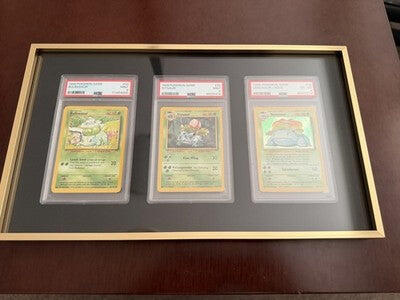
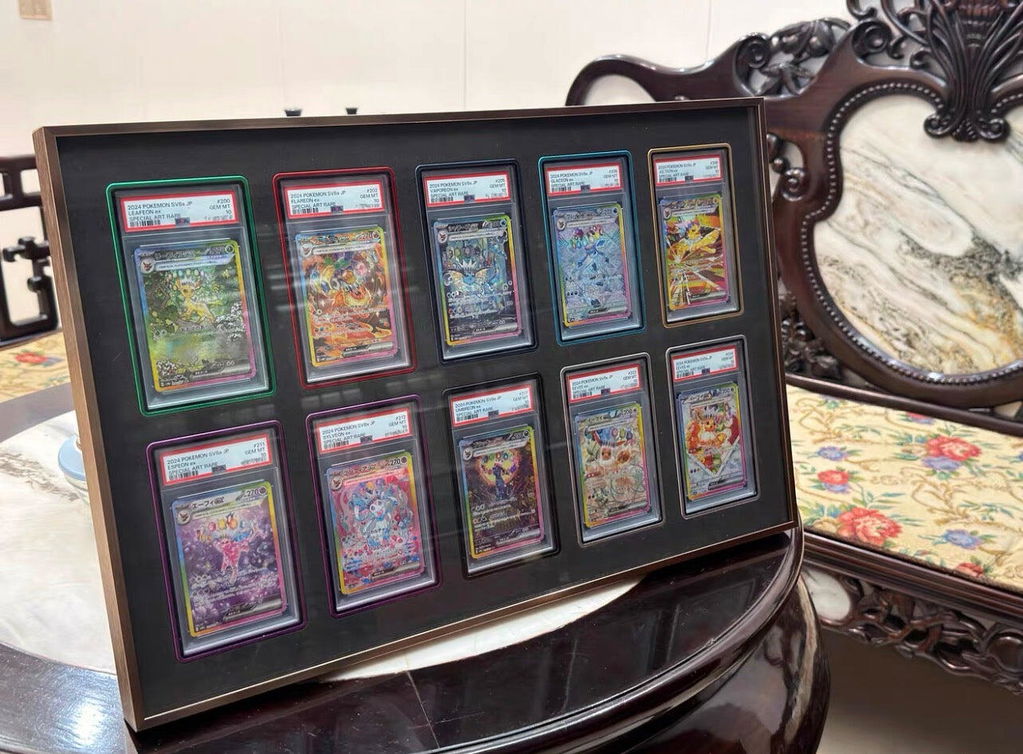


0 comments